
An office refurbishment in London is a major project that requires careful planning, budgeting, and coordination. While the process can be complex, it also presents an opportunity to enhance productivity, improve employee engagement, and future-proof your workspace.
A well-managed refurbishment ensures minimal disruption to daily operations and delivers a high-quality office environment that supports business growth. This guide focuses on what to expect in terms of timeline and costs, helping you plan effectively before starting a project.
Timeline: How Long Does an Office Refurbishment Take?
The duration of an office refurbishment depends on the space’s size, the work’s complexity, and any required approvals. A typical refurbishment can take anywhere from a few weeks to several months.
Most projects follow a structured process, moving from early planning through to construction and final handover.
Stage 1: Defining Scope, Budget & Objectives
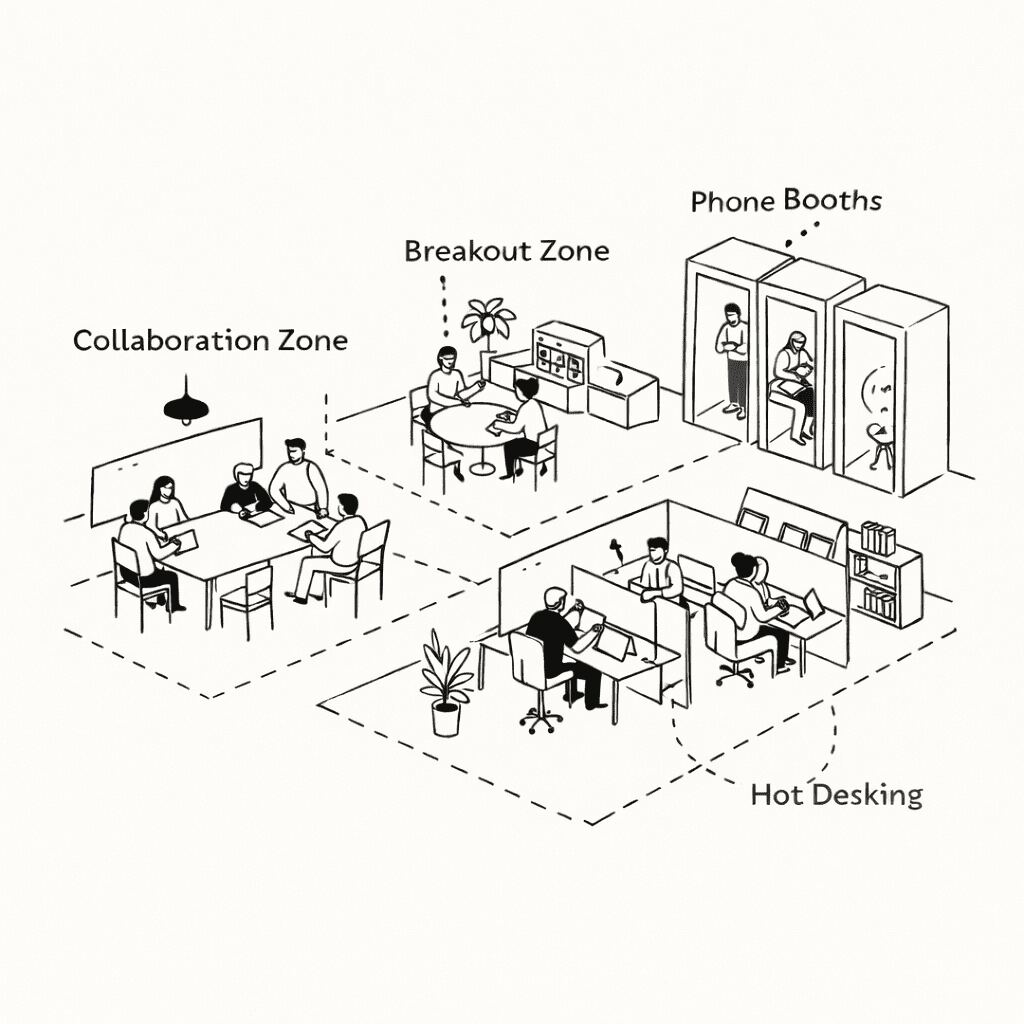
The first stage involves defining the refurbishment’s scope, budget, and objectives. Working with a commercial interior designer, you’ll identify which office elements will be retained and which will be refurbished.
The design process considers practical requirements, branding, and employee needs, ensuring a well-thought-out workspace that supports how your business operates.
Stage 2: Design Development & Compliance
Depending on the changes, you may need approval for building regulations or planning permission. Designing in compliance from the outset helps reduce the risk of delays later in the programme.
Collaborating with Approved Inspectors early in the process can allow for a smoother approval timeline, ensuring that health and safety compliance is integrated into the overall project plan.
Stage 3: Technical Design & Procurement
Once the design is finalised, materials, furniture, and fixtures are selected. Technical drawings detail any bespoke elements, such as custom joinery or unique office features.
This stage also involves logistics planning, ensuring deliveries are scheduled efficiently and the project remains on track.
Key Factors That Can Impact the Timeline
While a programme can be outlined early, several factors can influence how long an office refurbishment takes in practice:
- Building constraints – Access restrictions, shared buildings or central London locations can affect working hours and logistics
- Approvals and compliance – Landlord approvals or additional regulatory requirements can extend timelines
- Working in occupied spaces – Phased works or out-of-hours schedules may be required to minimise disruption
- Procurement lead times – Bespoke joinery, glazing systems or furniture can impact delivery schedules
- Services complexity – Mechanical and electrical upgrades (HVAC, power, data) can add time depending on scope
Understanding these factors early helps set realistic expectations and avoid delays once work begins.
Stage 4: Construction & Installation
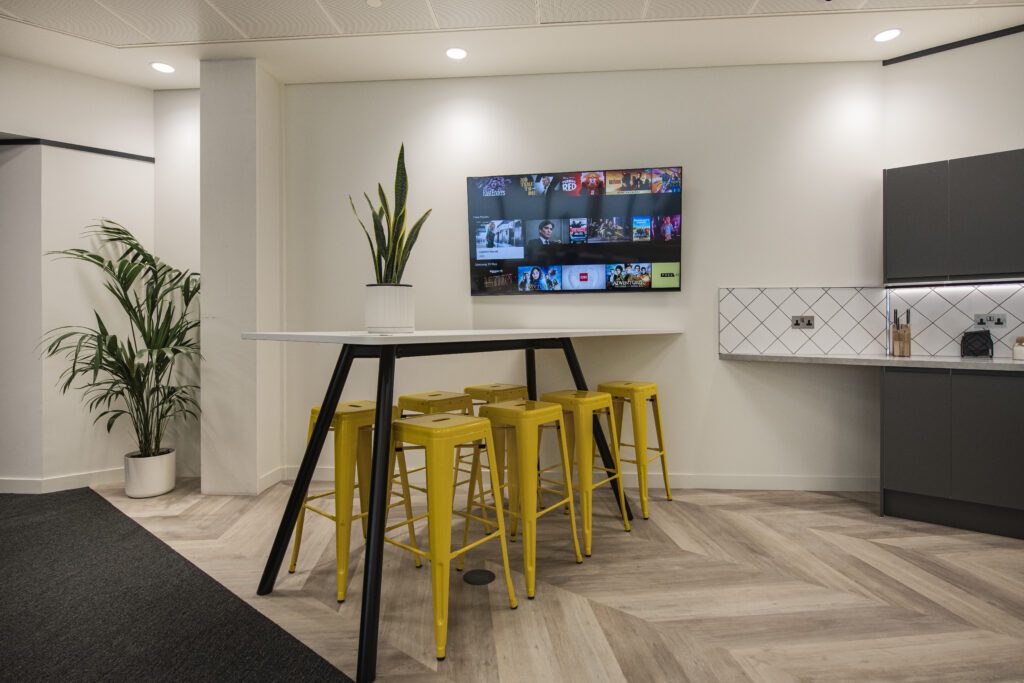
This is where the refurbishment takes shape. The construction team follows a structured plan, often including phased work schedules to minimise disruption to business operations.
If the office remains in use during the refurbishment, temporary workspaces or phased working areas may be required. Project managers will also conduct risk assessments and ensure business continuity measures are in place throughout.
Furniture also plays a crucial role in defining a workspace’s look, feel, and functionality. High-quality, ergonomic furniture can enhance productivity and workplace culture, and this will form the final part of the installation phase.
Stage 5: Snagging, Handover & Aftercare
After construction, the snagging phase begins, where any minor defects are identified and rectified.
A well-executed handover ensures your team understands how to use new features, from lighting controls to heating and ventilation systems. While initial handover happens immediately, a true handover period can last a number of months, allowing time to fine-tune systems across different seasons. Follow-up sessions help staff get the most out of the new space.
Office Refurbishment Costs in London
The cost of an office refurbishment in London varies significantly based on the scale of work, material choices, and overall project requirements.
As a general guide, refurbishment costs can range from £38 to £88 per square foot:
- £38–£58 per sq ft: A functional refresh including new flooring, lighting, and minor layout changes
- £58–£88 per sq ft: A more comprehensive refurbishment with upgraded HVAC systems, partitions, ceilings, new furniture, and bespoke features
- £88+ per sq ft: A high-end refurbishment with premium materials, advanced technology, and fully bespoke interior solutions
Factors That Affect Office Refurbishment Costs
Several factors will influence the final cost of a project:
- Size of the space – Larger offices can benefit from economies of scale
- Complexity of the project – Structural changes and M&E upgrades increase costs
- Materials and finishes – Higher-quality materials offer durability and improved aesthetics
- Location – Central London projects often incur additional costs due to access and logistics
- Contractor expertise – Skilled teams may cost more but often deliver better long-term results
Additional Costs to Consider
Beyond the core refurbishment costs, several other expenses should be factored into your budget:
- Furniture and equipment disposal – Removing and recycling existing items
- Relocation expenses – Temporary workspace solutions if staff are moved during works
- Project management fees – Ensuring the project remains on track
- Contingency budget – Typically 10–15% to cover unforeseen issues
Understanding Time, Cost & Quality
Office refurbishment projects are often shaped by the relationship between time, cost and quality, sometimes referred to as the project triangle.
Balancing these three elements is key to achieving a successful outcome. Adjusting one will often impact the others, so setting clear priorities from the outset helps guide decision-making throughout the project.
The Value of a Well-Planned Office Refurbishment
While an office refurbishment represents a significant investment, it’s also a strategic opportunity.
A thoughtfully designed workspace can:
- Boost productivity
- Improve staff retention
- Enhance company culture
- Support future growth
It can also help ensure your office aligns with modern ways of working and evolving business needs.
Office Refurbishment Planning Checklist
- Define your objectives and budget
- Conduct a site survey
- Develop space plans and concept design
- Agree detailed design and costs
- Secure approvals where required
- Plan procurement and logistics
- Schedule works
- Prepare for relocation or phased working
- Complete refurbishment
- Snagging and handover
Office Refurbishment FAQs
How long does an office refurbishment take?
Most projects take between a few weeks and several months, depending on complexity, approvals and whether the space is occupied during works.
How much does an office refurbishment cost per sq ft?
Costs typically range from £38 – £88+ per sq ft depending on specification and scope.
Can an office be refurbished while occupied?
Yes, phased works or out-of-hours construction can minimise disruption to daily operations.
What factors cause delays in office refurbishments?
Approvals, building constraints, procurement lead times and complex services installations are common factors. Client changes to design or layout once works have begun also have a knock-on effect.
When should I start planning an office refurbishment?
Ideally several months before your target completion date to allow time for design, approvals and procurement.
Final Thoughts
Careful planning is essential to delivering a successful office refurbishment. By understanding the typical stages, timelines and cost considerations, businesses can approach projects with greater confidence and control.
Taking the time to plan properly at the outset helps minimise disruption, manage costs effectively, and ensure the finished workspace supports both current operations and future growth.