Breakout spaces have become one of the most critical areas in the modern workplace. As hybrid working continues to evolve, companies seek spaces that enable people to meet informally, recharge during the day, and collaborate without needing to book a formal meeting room. Breakout seating supports these needs by offering comfort, flexibility and a more relaxed environment for staff and visitors.
Office Breakout Seating Trends 2026 explores the designs, materials, and layouts that are influencing today’s workplaces. These trends reflect how teams utilise shared spaces and how businesses aim for their offices to feel: welcoming, practical, and aligned with how people work today.
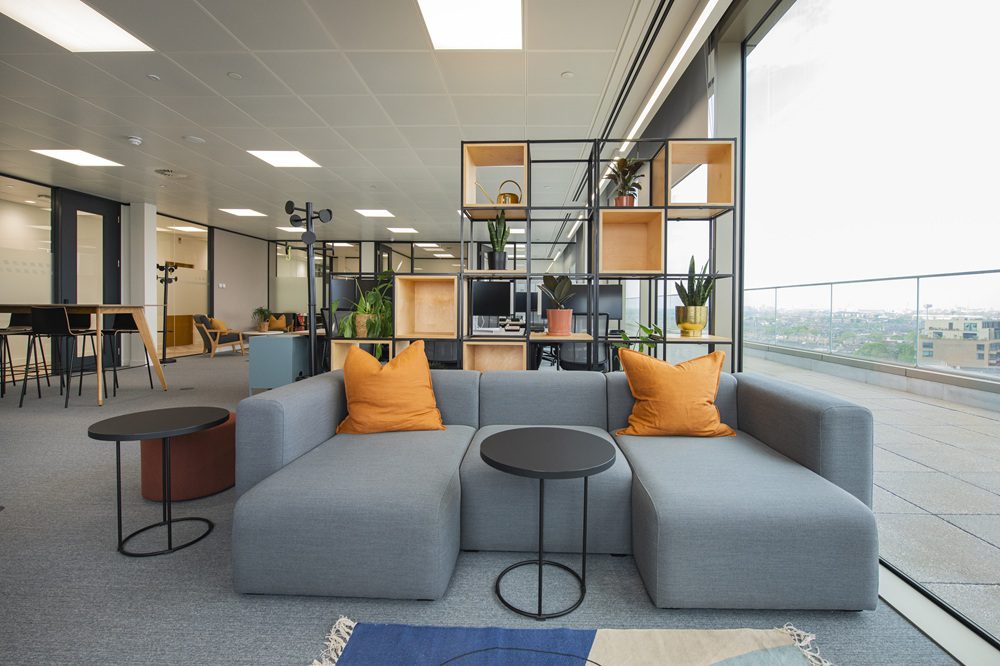
Soft, Comfortable Seating for Informal Meetings
Breakout areas are moving away from rigid furniture layouts. Instead, companies want soft seating that feels comfortable and relaxed. This shift supports informal conversations, short catch-ups, and natural team interaction that doesn’t require a booked meeting space.
Soft seating helps reduce workplace fatigue. Many businesses are choosing rounded forms, deep cushions and textured upholstery to create spaces that encourage staff to pause, reset and connect with colleagues.
Popular breakout seating options include:
- Lounge chairs with wide seats
- Soft sofas suitable for collaborative work
- Modular seating that shapes larger breakout zones
- Low armchairs for quiet one-to-one discussions
These pieces help make breakout spaces more inviting and more flexible throughout the day.
Modular Seating That Adapts to Any Layout
Modularity remains one of the strongest trends in 2026. Breakout spaces need to support a range of uses, which means furniture that can be reconfigured quickly without requiring technical setup. Modular seating can be rearranged to suit short meetings, training sessions or relaxed group work.
This approach helps ensure that the space remains relevant even as team sizes, workplace rhythms, and collaboration needs change. Businesses also value the long-term adaptability of modular systems, which reduces the need for frequent furniture replacement.
Standard modular features include:
- Units that link and separate easily
- Straight and curved modules for shaping zones
- Integrated tables and charging points
- Moveable backs and arms to support different postures
As hybrid work continues to shape office design, modularity enables companies to maintain a dynamic workspace.
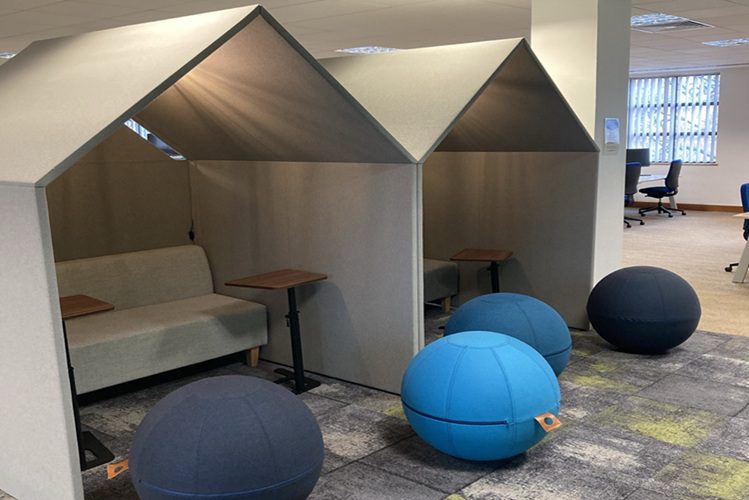
Acoustic Seating for Focused Work and Privacy
As open-plan offices continue to be widely used, acoustic seating has become a practical way to introduce privacy without the need for new rooms. These designs help reduce noise and create small, quiet areas where staff can focus away from busier parts of the office.
Acoustic seating supports both individual work and confidential conversations. It is particularly useful in workplaces where meeting rooms are limited or overbooked. High-back booths and acoustic pods help shape quieter spots within open layouts.
The most common acoustic seating features include:
- High sides to block sound and visual distraction
- Integrated lighting
- Built-in tables for laptops or note-taking
- Options for single-occupant focus or small group use
These products help balance the vitality of open plans with practical workplace privacy.
Breakout Spaces Designed for Hybrid Collaboration
Breakout seating is now used for more than relaxation. In many workplaces, teams use these areas for quick video calls, informal project discussions or hybrid collaboration. Seating must support comfort while also providing easy access to power, screens, or devices.
Hybrid-ready breakout seating supports a range of working styles. Items with integrated charging, tablet ledges or small tables ensure staff can join virtual meetings without needing a meeting room. This flexibility enables teams to transition between tasks with fewer interruptions.
Breakout spaces are also being positioned closer to collaboration zones, meeting rooms and shared hubs. This placement enhances access to screens, writable walls, and resources necessary for productive teamwork.
Sustainable Materials and Long-Life Upholstery
Sustainability continues to shape office furniture decisions. Companies are looking for upholstery, frames and finishes with long lifespans and reduced environmental impact. This shift includes fabrics made from recycled fibres, durable metals, responsibly sourced timber and long-life foams.
In 2026, businesses are increasingly opting for breakout seating that balances comfort with environmental responsibility. Recycled wool blends, PET fabrics and timber frames are common choices. The focus is on durability, easy maintenance and materials that won’t date quickly.
Other sustainability trends include:
- Recyclable modular components
- Repairable seating structures
- Fabrics chosen for long-term colour and wear resistance
- Low-VOC finishes for healthier environments
This approach aligns workplace design with broader company sustainability goals.
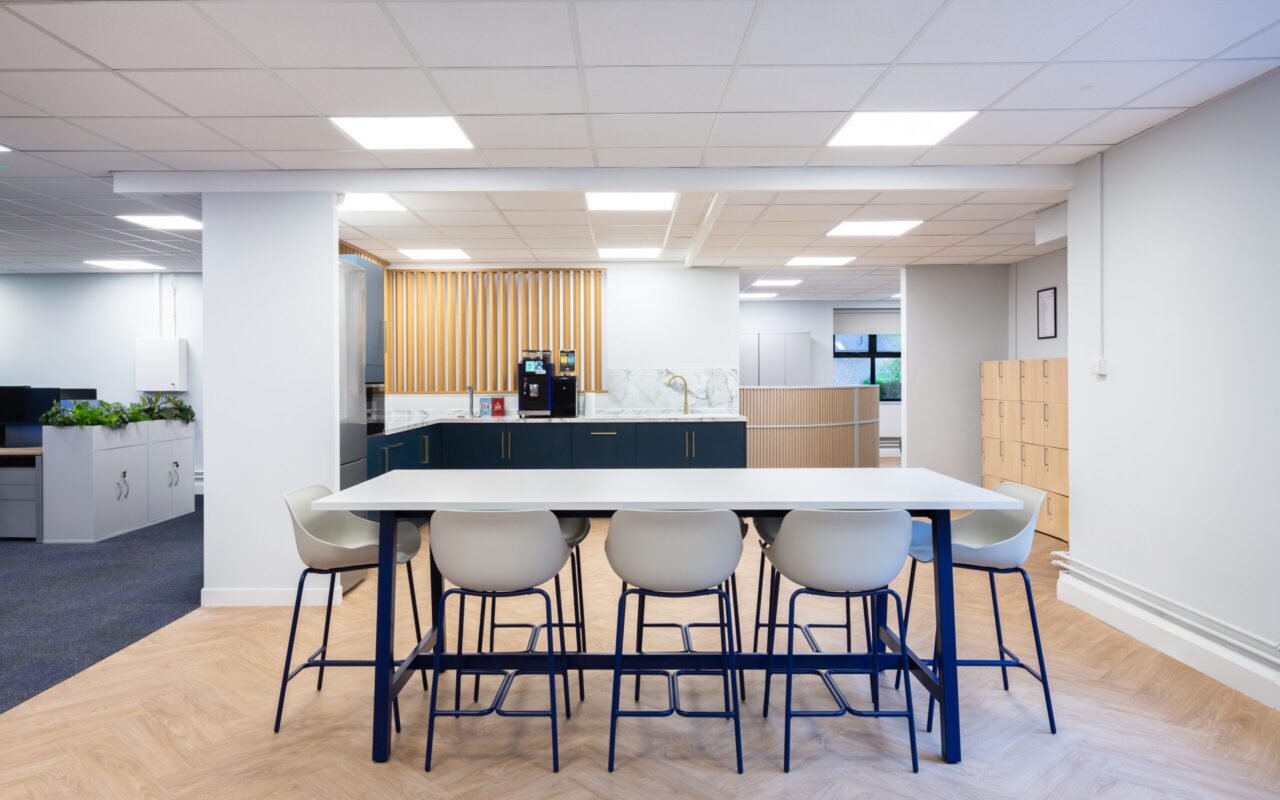
Colour Palettes Inspired by Natural Tones
Breakout seating colours in 2026 are influenced by biophilic design. These palettes help create calm, balanced spaces that feel comfortable and grounded. Soft, neutral colours support focus and relaxation, while deeper accent tones offer warmth and a sense of identity.
Designers now aim to create breakout areas that feel distinct from traditional work zones. These spaces use layered textures and colours to create regions where staff enjoy spending time.
Common colour directions for 2026 include:
- Soft greens and muted blues
- Warm neutrals such as sand and stone
- Deep terracotta and clay accents
- Charcoal bases with textured fabrics
These colours support wellbeing and create a more natural visual experience.
Hospitality-Inspired Breakout Areas
Breakout seating is increasingly influenced by the design of hospitality spaces. Offices are borrowing elements from cafés, hotels and lounges to create spaces that feel more comfortable and less formal.
This trend supports staff wellbeing and encourages the use of the office as a place to connect with colleagues. Soft curves, rounded forms, layered lighting and tactile fabrics help create a warm and professional environment.
Hospitality-inspired elements often include:
- Café-style high stools and counters
- Lounge seating arranged for relaxed conversations
- Coffee tables for informal meetings
- Textured upholstery in warm tones
Workplaces that feel welcoming often foster stronger team cultures and better utilisation of shared spaces.
Breakout Zones as Key Workplace Community Hubs
In 2026, breakout spaces act as central points for informal conversations, team catch-ups and collaboration. The seating must support these activities while creating clear zones within the office.
Seating arranged in clusters helps shape community hubs where staff naturally gather. These hubs help reduce pressure on formal meeting rooms and support day-to-day communication between teams.
When designed well, breakout areas help create smoother movement across the workplace, supporting both productivity and wellbeing.
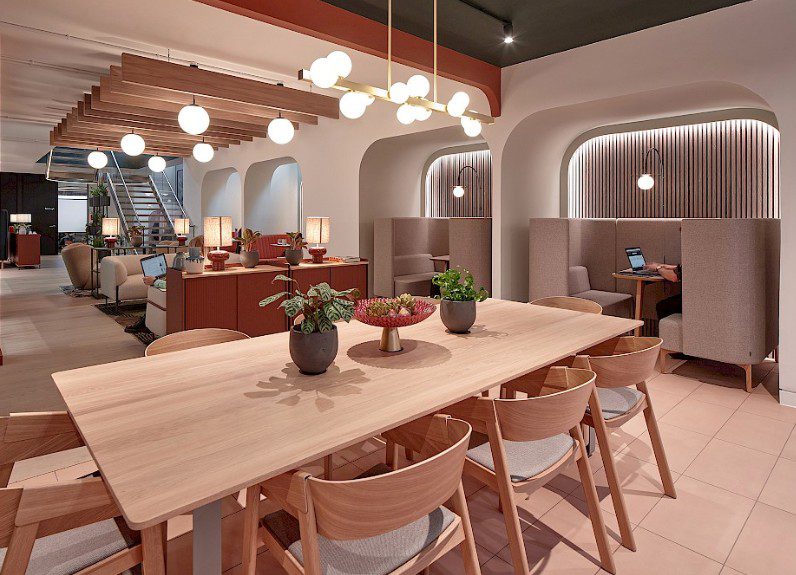
Using Breakout Seating to Define Office Zones
Breakout seating does more than provide places to sit. It can be used to shape and define zones within open-plan layouts. Sofas, high-back chairs, and modular pieces help create visual boundaries without the need for walls.
This helps offices feel open while still offering structure and clarity. The approach is helpful for businesses wanting to maintain a bright, spacious layout while improving the usability of key areas.
Breakout Seating That Supports the Modern Workplace
Office Breakout Seating Trends 2026 highlights the shift towards comfort, flexibility and sustainability. Breakout areas now serve multiple purposes, ranging from informal collaboration and quiet focus to hybrid meetings and social interaction.
The proper seating helps create a workplace that feels functional, supportive and aligned with how teams work today. Whether upgrading an existing layout or planning a comprehensive office redesign, breakout seating plays a crucial role in shaping a modern, productive workspace.