Office Design – the basics
Office Design images are great. Scan through Google images or any number of contractor websites to see the brightest and best office interiors. Use some descriptors such as ‘cool office design’ or ‘modern’, maybe even ‘funky’, to sort good from ho-hum. Pick out some ideas, see what’s current, and crystallize your thoughts on the ideal office look and feel. In this article we discuss office design basics.
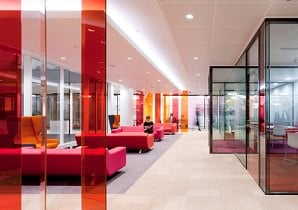
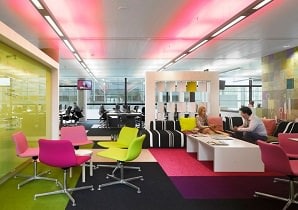
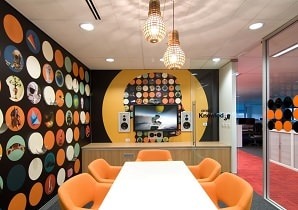
In design terms this could be a ‘cart before horse moment’. Most eye-candy images are just the window dressing and don’t show the office design basics.

The starting point for office design
The best office designs start by understanding the business version of who you are. What’re the successful bits of the company culture, what are the messages in your brand and how do they translate to an internal audience. Just as important is the future. How should an office support or develop culture and brand. Of course office design isn’t a marketing project and shouldn’t lose sight of the practical advances that an office fit-out must achieve.
There are some established basics for any office design process –
- Involve your staff: Gather a wish list from colleagues so that they feel as though they’ve influenced the design brief. Surveys and focus groups are a good way to understand needs and preferences,
- Provide options and flexibility: Offer a variety of work settings typically using different office furniture setups, from open-plan collaboration areas to quiet zones, allowing staff to choose where they work best for different tasks.
- Consider office flow: Create clear routes and well define zones to minimize distractions.
- Support collaboration: Design spaces that encourage informal interactions, such as breakout areas and collaborative hubs.
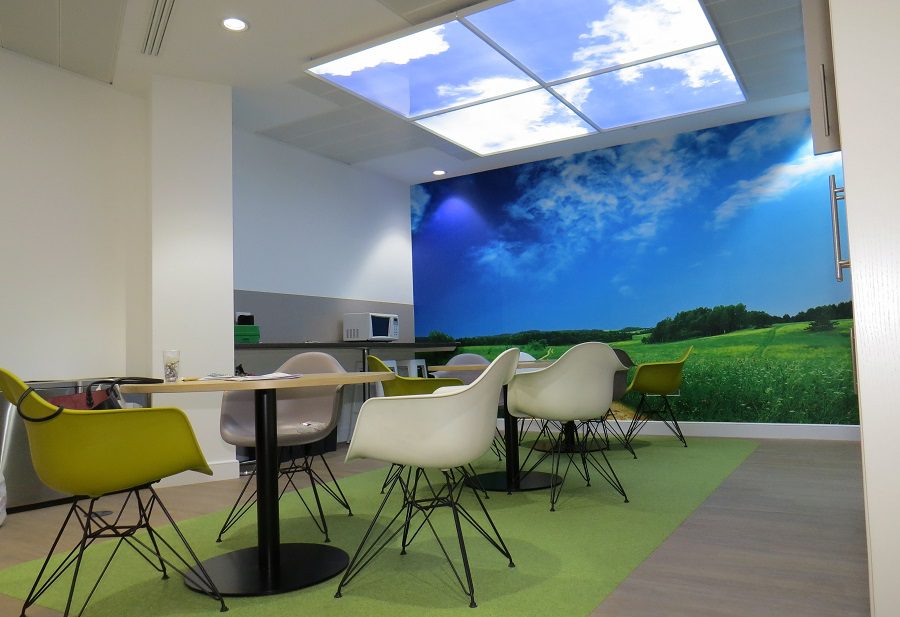
- Prioritize ergonomics: Use ergonomic furniture like adjustable chairs and desks to ensure comfort and prevent strain.
- Incorporate nature: Use biophilic design, bringing in natural light, plants, and natural materials to reduce stress and boost creativity.
- Manage acoustics: Implement soundproofing materials and design for good acoustics to reduce noise distractions in quiet areas.
- Control lighting: Balance natural and artificial lighting, providing task-specific and adjustable options to suit different needs.
- Support work-life balance: Include amenities like wellness rooms or gyms and design the space to encourage a healthy balance between work and personal life.
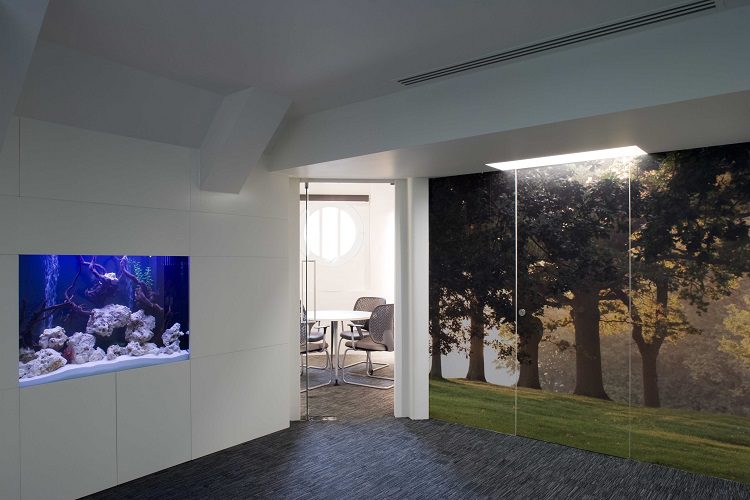
- Design for adaptability: Use flexible and multi-functional furniture and spaces that can be easily reconfigured as needs change. This will future-proof the office as well as giving opportunity to customise a space.
- Integrate technology: Ensure technology is integrated seamlessly, from supporting equipment on desks to providing necessary tools for collaboration and communication.
- Maximize space: Make good use of space. Considering options during the space planning phase can pay off when the office design becomes reality. Reduce clutter and ensure an efficient layout, but without sacrificing comfort or functionality. Real time space planning in a team format can be a great way to bring everyone’s ideas into focus.
But one thing we don’t recommend is a dash for the visuals before understanding the principles. Value is achieved through meeting needs of people and companies rather than simply making stuff look good.
To maximize returns and getting the most from an opportunity you have to decide what you want, know who you are, and understand what to expect. These basics form the office design lead-in. Get this bit right and the cool office design will also be a worthwhile investment.