Designing the Workplace: From Rows of Desks to Agile Workplaces
Office design has changed dramatically over the past century. What began as rows of desks in rigid corporate environments has evolved into flexible, people-focused workplaces that prioritise collaboration, wellbeing and adaptability.
Today’s offices are not just places to work. They are spaces designed to support culture and entice or retain the workforce. Understanding how office design has evolved helps businesses make better decisions about the kind of workspace they need today, and here we delve further into the evolution of office design.

From Cellular Offices to Open Plan Workspaces
Historically, offices were organised around hierarchy. Senior staff worked in private cellular offices while large teams occupied open rooms filled with rows of desks. The layout reinforced organisational structure rather than collaboration.
In the late 20th century, open plan office design became more common. Removing walls allowed teams to communicate more easily and made better use of available floor space.
While open plan layouts remain widely used today, modern office design has learned from their limitations, particularly around noise and lack of privacy. Rather than a single open floorplan, workplaces now combine open areas with quiet spaces and enclosed rooms, signalling how office design has developed to truly understand what does and doesn’t work from the eras of design trends. The office design challenge is to create layouts flexible enough to support teams working together when they need to and disperse when a task devolves back to individuals. Successful, modern office interior layouts allow for better visual connections, more collaboration within or between departments, or swift movement of individuals to add skill and experience. People thrive in this more open, purposeful, environment, where teams and individuals can move around easily, to where they’re needed.
The Rise of Activity-Based Working
One of the biggest shifts in workplace design has been the move towards activity-based working. Office planning used to allocate between 3% – 5% of total space to shared or multi-use team space. Recently, 10% – 15% is more common, and oftentimes for bigger organisations, a whole floor can be allocated to collaboration and shared use.
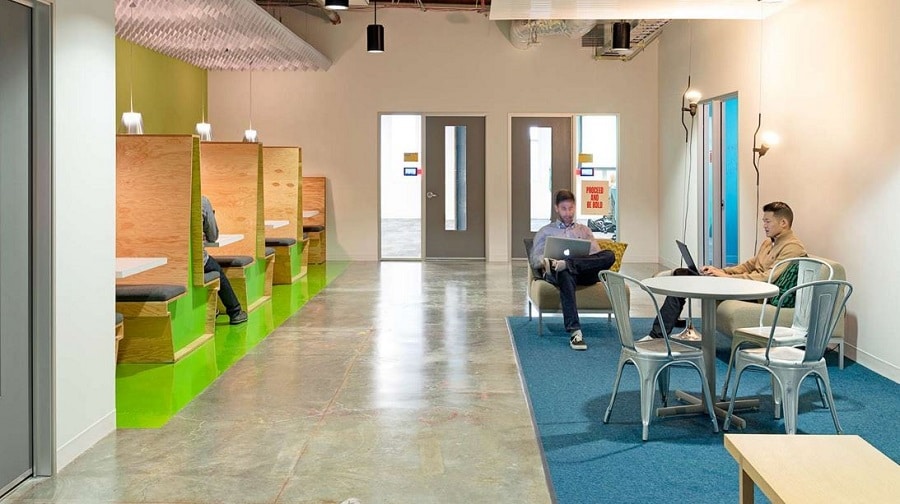
Instead of assigning one desk to each employee, offices now provide a variety of spaces designed for different tasks. These might include:
- collaborative breakout areas
- quiet focus booths
- meeting rooms of varying sizes
- informal lounge areas
- touchdown desks for short-term work
This approach reflects how people actually work. Some tasks require concentration, while others benefit from discussion and teamwork. Providing the right mix of environments improves both productivity and employee satisfaction.
Flexibility Is Now Essential
Modern businesses change quickly, and office layouts need to adapt just as easily.
Flexible design has therefore become a core principle of contemporary office spaces. Elements such as modular furniture, movable partitions and office pods allow organisations to reconfigure layouts without major refurbishment.
This flexibility also future proofs a workspace. As teams grow or restructure, the office can evolve alongside them without the need to invest in further refurbishments or furniture sooner than expected.
The Influence of Hospitality and Lifestyle Design
Another major evolution in office interiors is the influence of hospitality design.
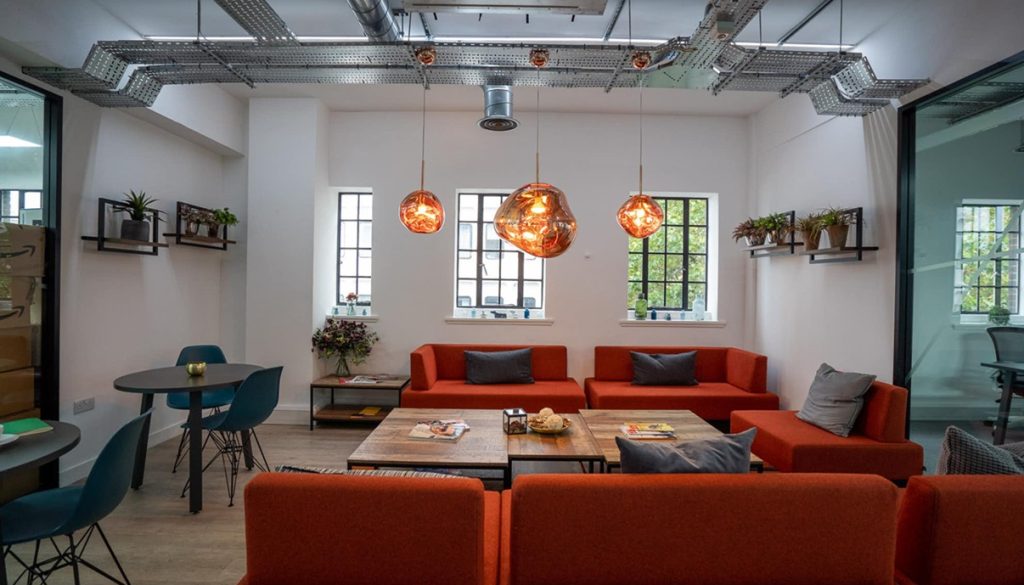
Many modern workplaces now incorporate elements traditionally associated with hotels, cafés and social spaces. Comfortable seating, café-style breakout areas and welcoming reception spaces help create a more relaxed and engaging environment.
These spaces encourage informal interaction and help strengthen workplace culture. They also make the office a more appealing destination for employees who may otherwise be working remotely. All of this contributes to your employee satisfaction, ensuring the team wellbeing and happiness is part and parcel of your workplace.
Workplace Wellbeing and Biophilic Design
Employee wellbeing has become a central consideration in workplace design. Modern offices increasingly include:
- natural materials and textures
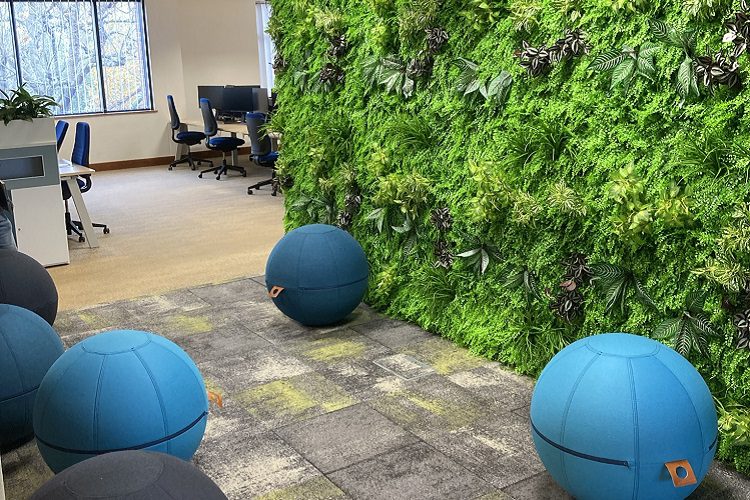
- planting and biophilic features
- improved lighting design
- ergonomic furniture
- acoustic solutions for noise control
These elements support both physical comfort and mental wellbeing. Research consistently shows that environments designed around people can improve productivity, creativity and job satisfaction.
Technology and the Hybrid Workplace
Technology has transformed how people work, and office design has adapted accordingly.
Hybrid working means employees may split their time between home and office, so workplaces must now support both digital and in-person collaboration. Meeting rooms equipped for video conferencing, shared project spaces and informal collaboration zones all play an important role in modern offices.
Rather than replacing the office, technology has redefined its purpose. The workplace is increasingly seen as a hub for collaboration, creativity and connection.
The Rise of Coworking and Flexible Workspace Models
Another significant shift in modern office design has been the growth of coworking spaces and flexible workspace providers. These environments have transformed how businesses access office space, particularly for startups, freelancers and smaller companies who may not want the long-term commitment of a traditional lease. Instead of leasing and fitting out an entire office, businesses can operate within a shared workspace, benefiting from professionally designed environments, meeting rooms and communal facilities without the associated upfront investment.
Coworking spaces have also been at the forefront of modern workplace design trends, often experimenting with hospitality-inspired interiors, flexible layouts and collaboration-led environments long before these ideas became common in corporate offices. By bringing together multiple businesses under one roof, these spaces naturally encourage networking, entrepreneurship and innovation, creating communities where ideas and opportunities can develop. Many organisations now take inspiration from these environments when designing their own workplaces, adopting similar layouts and shared spaces that encourage collaboration and connection.
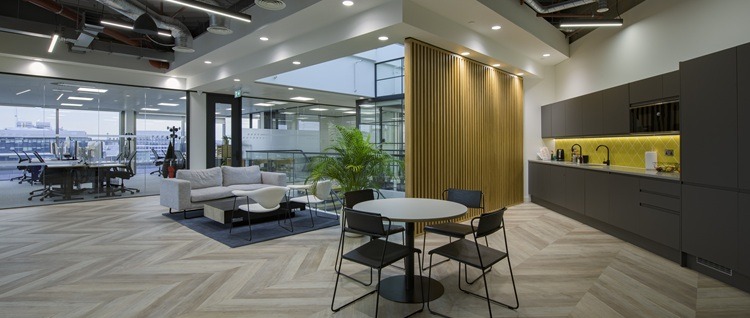
Take a look at one of our office design and fit out projects for a coworking space in White City. A high-end, contemporary building with a thoughtfully designed interior to suit, helping to entice start-ups, small businesses and freelancers for our client.
What Has Stayed the Same?
While office design has evolved significantly, some core principles remain constant. Workplaces still need to provide structure, functionality and a clear reflection of company identity. Elements such as meeting rooms, reception areas and collaborative spaces have always existed in some form, but today they are designed with greater attention to flexibility, comfort and user experience. The difference is that modern offices are built around people first, rather than simply fitting as many desks as possible into a space.
The Future of Office Design
Looking ahead, office environments will continue to evolve as working patterns change. Sustainability, wellbeing and adaptability are likely to remain key drivers of workplace design. Businesses increasingly recognise that the office plays a vital role in attracting talent, supporting collaboration and expressing brand culture.
The most successful workplaces will be those that balance flexibility, technology and human-centred design to create spaces people genuinely want to spend time in.